


Porcelain vs. Composite Veneers: Which Option is Right for You in Oakland, NJ?
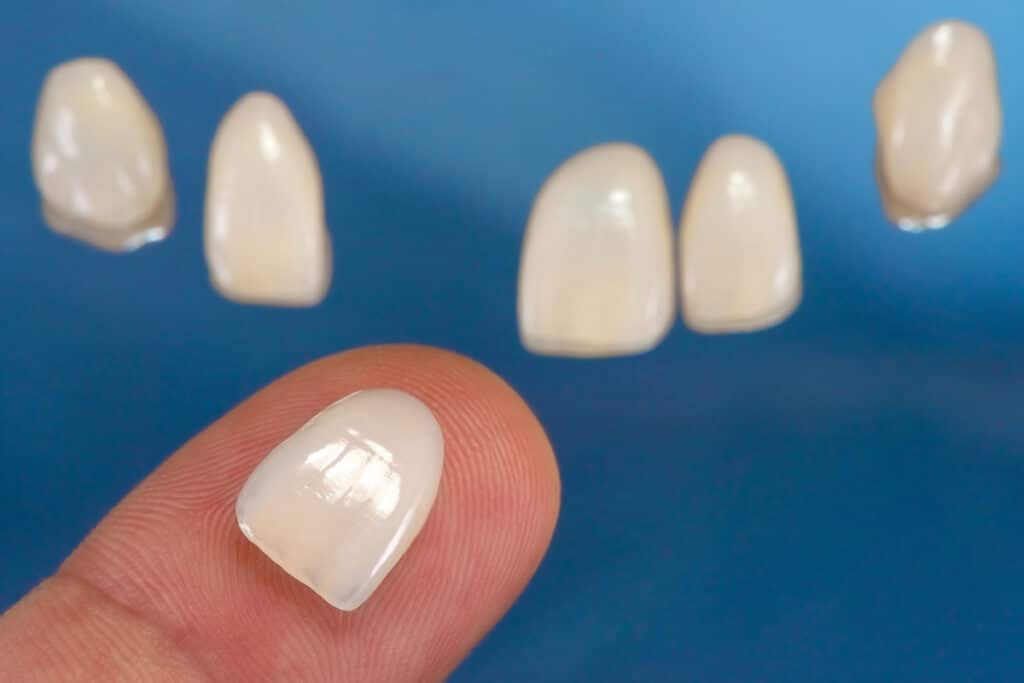
Many patients come to our office wanting a brighter, more uniform smile. If you want to correct chips, gaps, or severe discoloration, dental veneers provide a fantastic solution. These thin, custom-made shells instantly cover the front surface of your teeth and improve their appearance.
We understand that choosing the right cosmetic treatment can feel overwhelming. Patients frequently ask us to explain the differences between porcelain and composite materials. Both options deliver beautiful results, but each meets different needs, budgets, and timelines. We want to help you understand the unique benefits of each material so you can make an informed decision about your oral health.
Understanding Porcelain Veneers
Porcelain stands as the gold standard in cosmetic dentistry. Skilled technicians in dental laboratories create these custom shells from high-quality ceramic materials that closely mimic the light-reflecting properties of natural tooth enamel.
The Aesthetic Advantage
Porcelain delivers unmatched beauty and realism. The ceramic material captures the slight translucency of natural teeth, making it almost impossible for anyone to notice cosmetic work. Porcelain also resists stains exceptionally well. You can drink your morning coffee or enjoy a glass of red wine without worrying about darkening your new smile.
The Application Process
You will typically need to visit our Oakland office at least twice to get porcelain restorations. During the first appointment, we prepare your teeth by removing a tiny amount of enamel—usually less than a millimeter. This step ensures the final restoration aligns perfectly with your surrounding teeth. Next, we take precise impressions and send them to a specialized dental laboratory.
Temporary Solutions
While the lab creates your custom shells, we place temporary covers on your prepared teeth. These temporaries protect your teeth and let you try out your new smile. Once the final porcelain pieces arrive, you return for your second visit. We check the fit, make any needed adjustments, and securely bond the permanent shells to your teeth.
Exploring Composite Veneers
Our team uses a tooth-colored resin material for composite veneers—the same material we use for standard cavity fillings. We apply this resin directly to your teeth in the dentist’s chair, without sending impressions to a lab.
Immediate Results
Composite resin offers speed as its greatest advantage. We usually complete your entire smile transformation in a single visit. We apply the resin in layers and carefully sculpt it to achieve the shape and size you want. After we finish shaping, we cure the material instantly with a special light. Finally, we polish the resin until it looks smooth and natural.
A Conservative Approach
You usually need little to no tooth preparation for composite resin. In many cases, we leave your natural enamel completely intact. Choosing this conservative approach keeps the procedure entirely reversible. If you want to remove the resin in the future, your natural teeth stay healthy and untouched underneath.
Ease of Repair
Life happens, and sometimes dental work gets damaged. If a composite restoration chips or breaks, we fix it easily. You simply schedule an appointment, and we apply new resin to the damaged area, cure it, and polish it so it blends seamlessly with the rest of the tooth. Porcelain, on the other hand, does not allow for repairs. If you chip a porcelain shell, you need a complete replacement.
Comparing Costs and Longevity
When you invest in your smile, you deserve clear expectations about price and lifespan. Both materials deliver excellent value, but each brings different financial and practical implications.
Initial Investment
Composite resin costs significantly less upfront than porcelain. Our team completes the work in-house and avoids laboratory fees, so we pass those savings on to you. If you want to transform multiple teeth on a tighter budget, resin gives you an accessible pathway to a beautiful smile.
Long-Term Durability
Porcelain earns its higher initial cost with exceptional durability. With proper care, these ceramic shells often last 10 to 15 years or even longer. The material resists chipping and fracturing much better than composite resin.
Composite resin usually lasts between 5 and 7 years. Because the material is more porous than ceramic, it can chip under pressure and stain over time. You will probably need to replace composite resin sooner than you need to replace porcelain.
Maintenance Requirements
You need strong oral hygiene habits to keep your new smile healthy, no matter which material you select. Brush twice daily, floss every night, and visit our office for regular cleanings. Pay closer attention to your diet if you choose composite resin. Limit dark-colored foods and beverages to avoid staining the resin. Porcelain keeps its color and resists most stains from your diet, so you enjoy a more carefree experience.
Making the Right Choice for Your Smile
Your personal goals, budget, and dental health determine which cosmetic option suits you best. We consider several factors and recommend a path that matches your needs.
Assessing Your Dental Health
Before we start any cosmetic procedure, we ensure your teeth and gums stay healthy. We check for cavities, gum disease, and signs of teeth grinding. If you clench or grind your teeth at night, you risk damaging either material. In these cases, we recommend wearing a protective nightguard to protect your investment.
Evaluating Your Cosmetic Goals
If you want to mask severe discoloration or make dramatic changes to the shape of your teeth, porcelain usually yields the best results. The ceramic material blocks underlying stains better than resin. However, if you only need minor corrections—such as fixing a small chip or closing a tiny gap—composite resin often makes more sense.
Taking the Next Step
We invite you to schedule a consultation to discuss your unique situation. We listen to your concerns, examine your teeth, and explain all your options in detail. Together, we create a personalized treatment plan that fits your lifestyle and helps you achieve the smile of your dreams.
Frequently Asked Questions About Dental Veneers
How long do veneers last?
Porcelain veneers usually last 10 to 15 years when you care for them properly and maintain regular dental visits. Composite resin veneers tend to last about 5 to 7 years before you need to replace or retouch them. Good oral hygiene and consistent dental checkups help you keep both types of veneers looking and feeling their best.
Does getting veneers hurt?
You experience minimal discomfort during the procedure. For porcelain preparation, we use local anesthesia so you feel completely comfortable while we remove a tiny layer of enamel. The composite resin process usually doesn't require any enamel removal. We often complete the entire treatment without any need for numbing.
At Oakland Dental Care, we offer comprehensive, compassionate dental services to families across Oakland, NJ, and nearby communities. Our experienced team always prioritizes your comfort and delivers beautiful, long-lasting cosmetic results that boost your confidence. When you want to transform your smile and explore your options, simply contact our office to schedule your consultation.